Parts of Speech: Interaction Design (Week 1)
Jump directly to the interactions by clicking here.
It’s the fall of 2026 - my second last semester at Harvard. As part of the Design Engineering program, I’m taking a class called Parts of Speech: Reimagining Computing Through Verbs at the GSD, taught by Jenny Rodenhouse. I’ll attach a brief excerpt from the syllabus here:
Every interface is built from actions. We boot, click, swipe, friend, and cancel; each verb carries a history and a worldview about who and what computing is for. With large language models (LLMs) and text-to-form tools, a word can call a world into being in seconds, so choosing how to order a few letters is also a way of building one. This seminar takes verbs as its subject, studying how form and time direct a person to act.
Each week, we do a verb study. This involves:
- Selecting a verb in response to a particular era of computing, researching its origins, etymology, and history through four lenses—illustrative, abstract, emotive and antithetical—and representing these through a type study.
- Deconstructing each artifact through elements of design: line, color, shape, form, space and composition, texture.
- Sketching the interaction at a low fidelity, before building an interactive version of it using code.
I thought it’d be nice to document the prototypes I make here, along with a bit of my thinking process.
Week 1:
We had to select a verb associate with the “command” era of computing (ie. pre-GUI), specifically in response to the verb “boot”.
I chose the verb “mount”. In computing terms, the definition is as follows:
“To make a disk or disk drive available for use on a computer.”
I was interested in “mount” because of the multitude of other meanings the verb has:
- “To gradually increase, rise, or get bigger; to go up or onto.”
- “To attach something to a wall, in a frame, etc., so that it can be looked at or used.”
- “To get on a horse, bicycle, etc. in order to ride.”
Here are the type studies I did based on the 4 definitions:
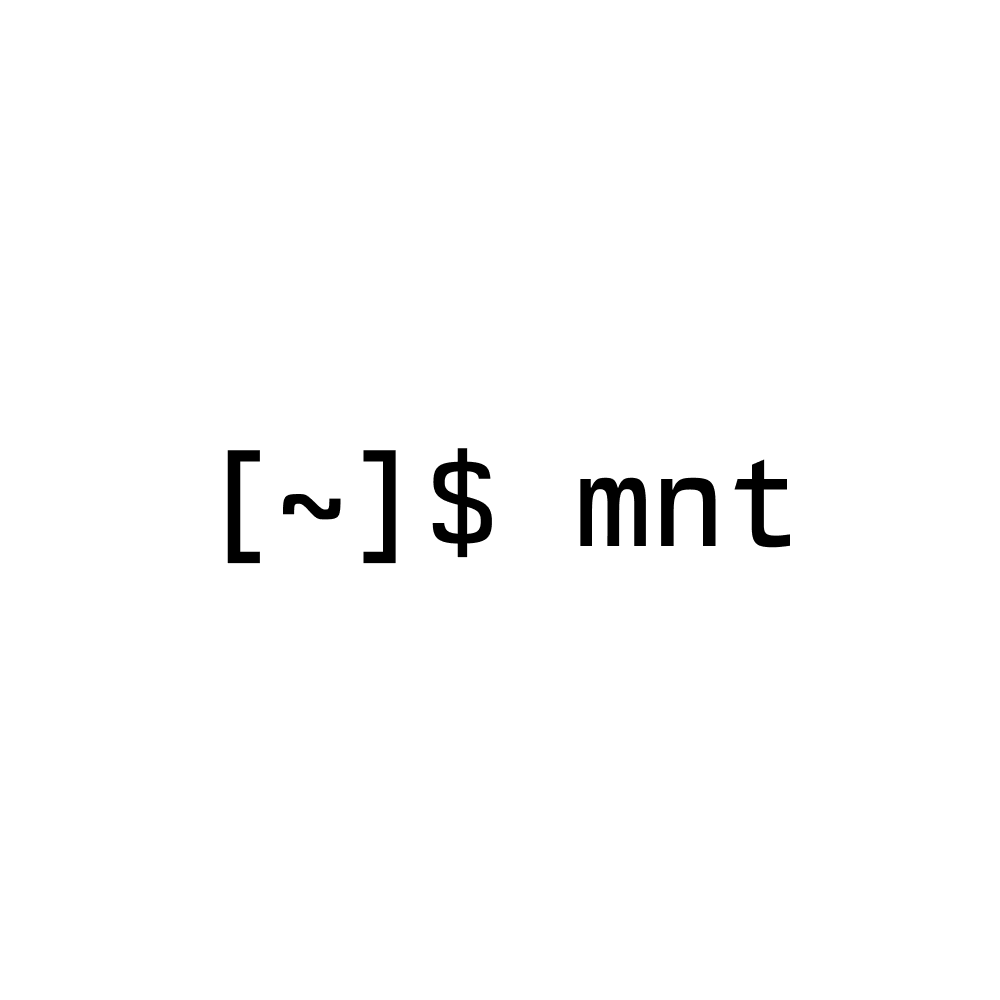
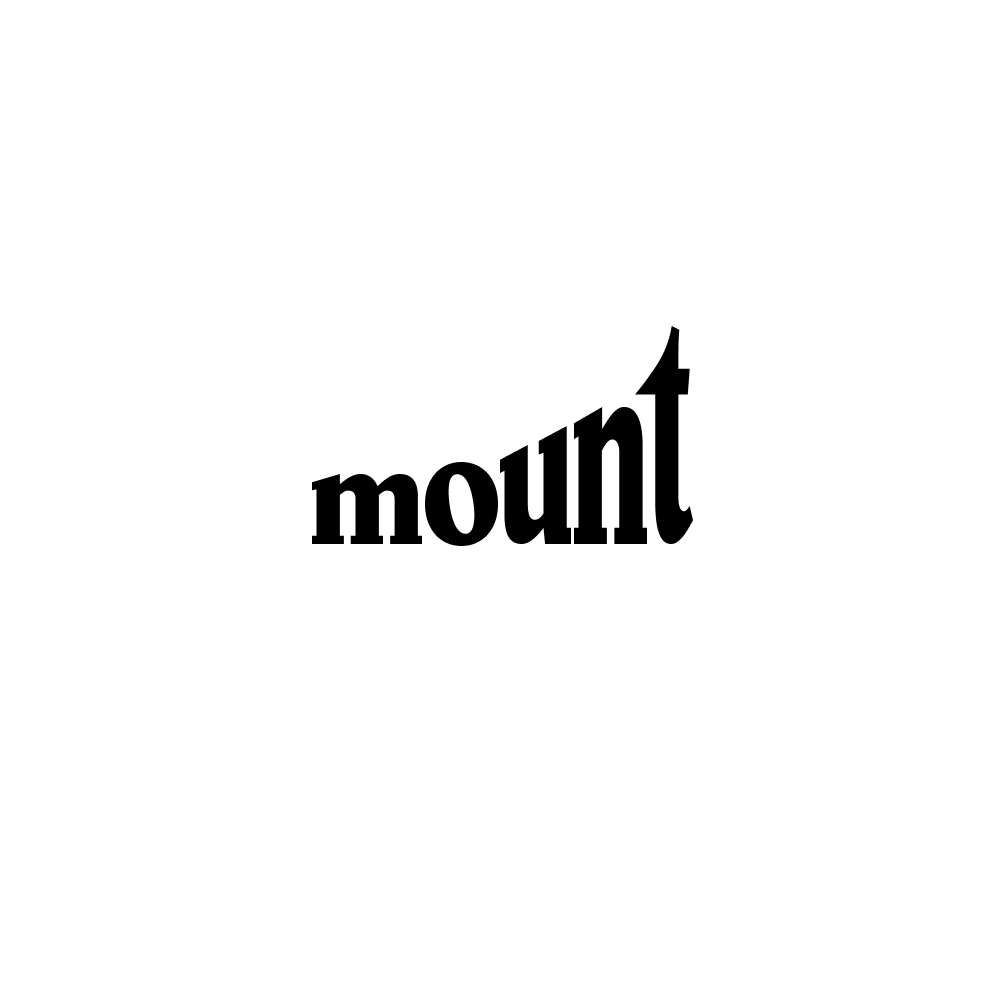
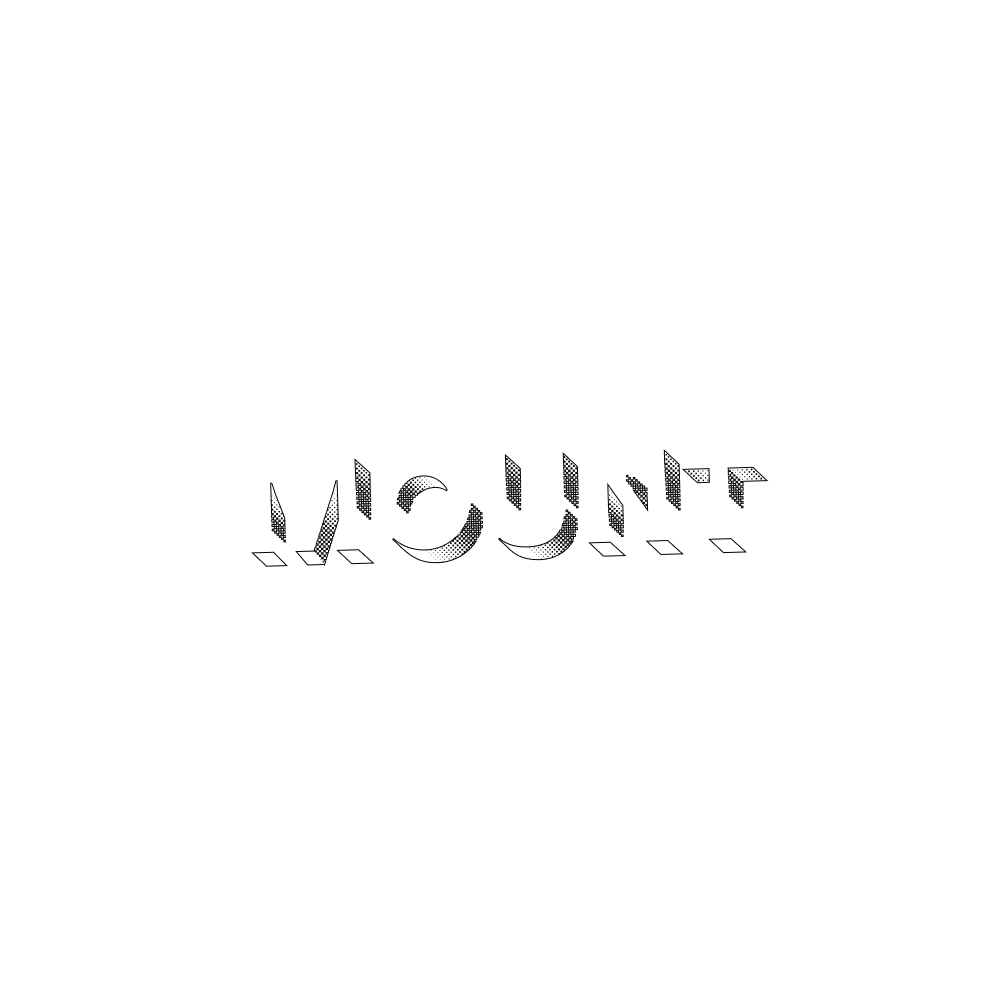
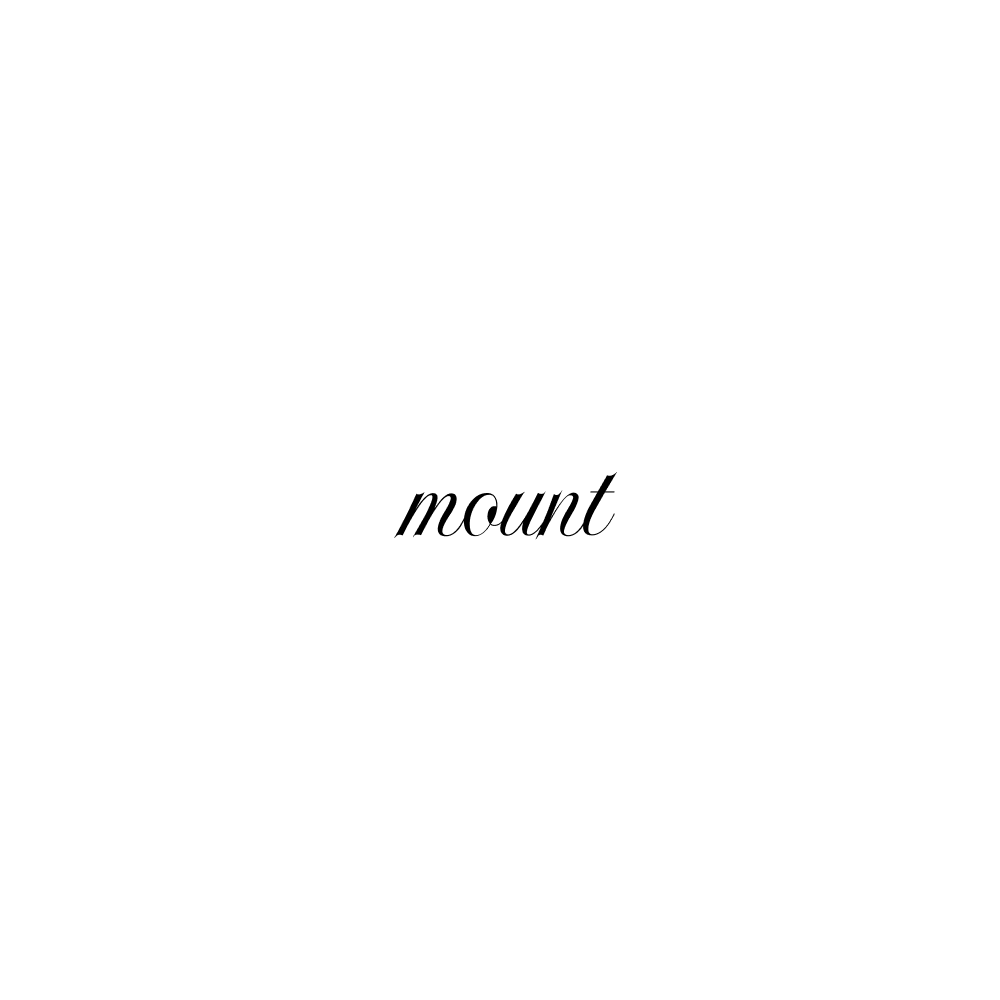
To make a disk or disk drive available for use on a computer.
I was most interested in exploring an interaction based on “mount” that involves attaching something to a wall or in a frame, since to me it felt like the definition that is closest to being the spiritual root of the computing related definition.
All that being said, here is the first interaction I designed:
This first interaction was fun, but rather plain, so I wanted to see if I could extend it a bit further, which led to this:
The images are sourced from a few different art archives and each refresh provides a different set of them, loosely organized into eras. I kind of got carried away making this (something I’m thinking about for IDEP is how the sunk cost fallacy still applies to vibe-coded prototypes: even when you haven’t even sunk that much work into something, throwing it away is hard!)
While it is a cool interaction, it’s probably closer to the verb “align” than “mount”. That being said, it was a fun start to the class, and hopefully I can get better at this over the semester.